
What Sets Apart Cleanroom Assembly Tools: Design Features You Need to Know

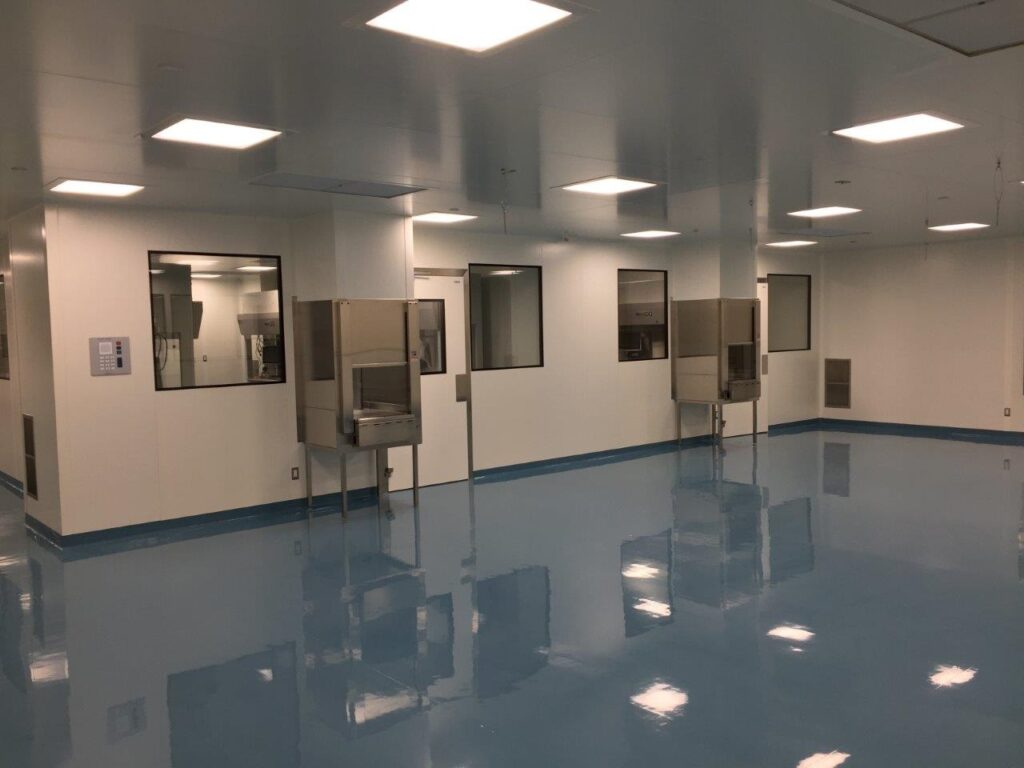
When you hear the term cleanroom assembly, what comes to mind? Perhaps a controlled environment with strict hygiene, specialized airflow, and carefully selected tools. For industries like medical device manufacturing, pharmaceuticals, biotech, and research labs, cleanroom assembly isn’t just a nice‐to‐have—it’s essential. The tools used must meet demanding standards: low particle generation, surfaces that are easy to clean, and materials that resist corrosion and contamination. Let’s dig into what cleanroom assembly truly demands, how Clean Room Devices meets those demands, and what best practices are emerging in this space.
Key Requirements for Cleanroom Assembly Tools
Cleanrooms classified ISO 7–8 require strict limits on airborne particulates. For instance, an ISO 7 cleanroom must not exceed 352,000 particles per cubic meter ≥ 0.5 µm according to ISO 14644‑1, and must have proper air change rates (often 30–60 ACH) to dilute and remove contaminants.
Given these tight tolerances, any tools used for assembly—cutters, expanders, fitting inserters—must be designed to avoid shedding particles, trap less debris, and allow easy cleaning and validation. Materials like stainless steel (316L or 304), high‑grade anodized aluminum, sealed surfaces, smooth edges, and minimal joints are often required. Also, ergonomic design matters: repetitive tasks in assembly can lead to strain and increased risk of introducing contamination through handling.
How Clean Room Devices Addresses Cleanroom Assembly Design
Clean Room Devices (CRD) has built its product line—from tubing cutters to fitting inserters and pass‑through windows—around the needs of cleanroom assembly. Here are some of their design features that stand out:
- Stainless steel and cleanroom‑compatible surfaces: Their tubing cutters use stainless steel blades and clean room compatible construction to avoid contamination during cutting.
- Tight tolerances & clean cuts: CRD’s cutters include precision scales (in both inches and millimeters), adjustable slide blocks, and razor or chevron stainless steel blades that maintain clean edges with minimal particulate generation.
- Ergonomics to reduce operator fatigue: Fitting inserters and expanders are designed to reduce repetitive strain. For example, tube expanders allow the tubing to be pre‑expanded so that inserting fittings requires less force.
- Designs suited for complex fittings: Some CRD tools (like the CRD400/CRD400SS) accommodate multi‑barb fittings, rotating nests, and complex geometries. This reduces handling steps and helps ensure that fittings assemble correctly the first time.
Emerging Best Practices and Industry Trends
To stay ahead, companies are adopting newer practices that complement good tool design:
- Regular particle monitoring and validation: As part of ISO 14644 standards, tools and environments have to be tested both at rest and under operation. Monitoring particle counts at various micron sizes (0.5 µm, 1 µm, 5 µm) is standard.
- Use of modular, sealed systems: Surfaces that are monolithic or with minimal seams, rounded edges, minimal joints—this helps in cleaning and reduces places where particles or microbes can accumulate. Advanced equipment designs often mirror these principles.
- Strict material selection: Opting for stainless steel or non‑shedding materials, avoiding plastics or coatings that degrade or flake under cleaning or sterilization. CRD’s use of stainless steel blades and bases illustrates this.
Why the Right Tools Matter
If you’re setting up or refining cleanroom assembly operations, prioritizing tool design is just as important as airflow, filtration, or gowning. Tools with improperly designed surfaces, rough edges, or vulnerable materials can undo the cleanliness controls of even a well‑built ISO 7 or ISO 8 suite.Clean Room Devices provides a compelling set of options that align well with the strict requirements of cleanroom assembly: tools built for durability, minimal particulate generation, and repeatable, ergonomic use. By selecting tools designed for cleanroom assembly—paired with proper validation, monitoring, and workflow discipline—you can preserve product quality, reduce contamination risk, and support worker safety.