
How to Know When Your Tubing Cutter Blade Needs Replacing

A tubing cutter blade plays a major role in clean, repeatable tube preparation. In medical device, cleanroom, and manufacturing environments, even a small change in cut quality can affect the next step in the process. At Clean Room Devices, we offer tubing cutters designed for precision, speed, and clean room compatible construction, using stainless steel blades for contaminant-free cutting. When the blade starts to wear, teams may notice more defects and less consistent results.
Why Blade Condition Matters
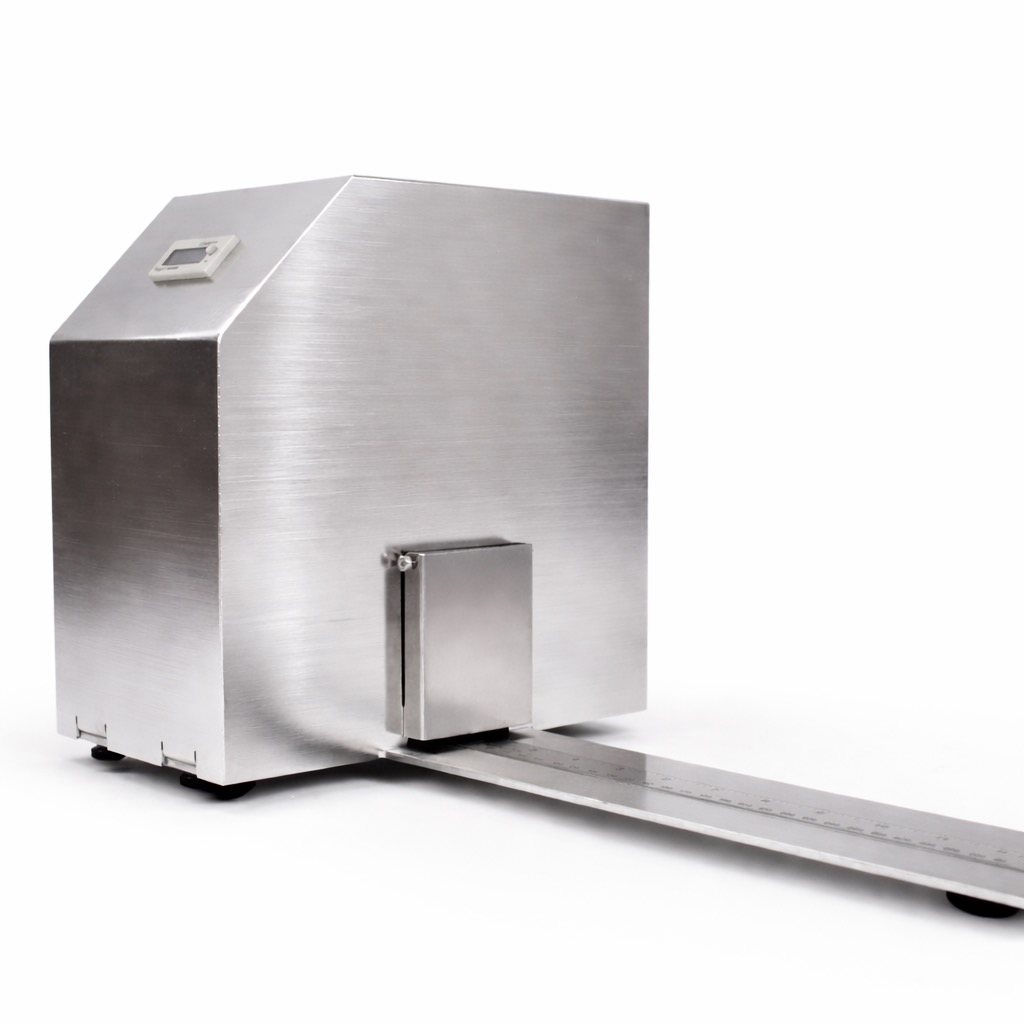
A tubing cutter is only as reliable as the blade doing the work. Our tubing cutters are built for medical tubing, flexible tubing, plastic tubing, silicone rubber, heat shrink tubing, PVC, urethane, and thermoplastics. Our cutter options include electro-pneumatic cutters, pneumatic cutters, specialty cutters, and econo-cutters.
When a tubing cutter blade is sharp and matched to the material, it helps create a clean edge without crushing or pulling the tube. That cleaner starting point can make fitting insertion, tubing expansion, and inspection easier to manage. When the blade is dull or damaged, problems can show up across the workflow.
Signs Your Blade May Be Worn
A blade does not always fail all at once. In many cases, the signs appear gradually. Operators may compensate without realizing the tubing cutter blade is the real issue.
Common warning signs include:
- Crushed or flattened tubing at the cut point
- Angled cuts when a straight cut is expected
- Ragged, uneven, or inconsistent tube edges
- Dragging, pulling, or extra resistance during cutting
- Slower production because cuts require more effort
If these issues appear across multiple operators or batches, it may be time to inspect the blade instead of assuming the tubing material is the problem.
Crushed Tubing or Distorted Ends
Crushed tubing is one of the clearest signs that a tubing cutter blade needs attention. A sharp blade should separate the material cleanly. A dull blade may press into the tube before cutting through it, which can flatten the end or change the opening.
This matters because the tube end often moves into another step, such as expansion or fitting insertion. If the end is distorted, the part may not line up correctly, and the operator may need to rework it.
Angled Cuts, Dragging, and Slower Output
Clean Room Devices tubing cutters are designed for accuracy, with some cutter series engineered for accuracy to +/- .03 inches. If cuts begin drifting out of alignment, the tubing cutter blade may be worn, loose, damaged, or no longer interacting with the tubing as intended.
Dragging is another sign to watch for. The cut may feel rough, require more force, or take longer than usual. When operators have to correct edges or discard parts, it can affect production pace.
Choosing the Right Replacement Blade
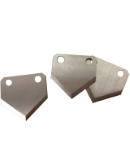
We offer blade accessories for maintenance and setup. The Chevron Blades [CB100] are durable, angled cutting blades made from hardened stainless steel. They are also available with titanium-nitride and tin coatings for specialty blade needs. We also offer Chevron Blades, Narrow [CB120], durable angled cutting blades made from hardened stainless steel with a 0.020-inch thickness.
Choosing the right tubing cutter blade depends on the cutter, tubing material, and application. Teams should confirm compatibility before ordering replacement blades or specialty options.
Keeping Production Clean and Consistent
A tubing cutter blade may seem like a small part, but it has a direct impact on production quality. Routine inspection can help teams catch problems before they lead to rework, wasted material, or slower output. If operators notice crushed tubing, angled cuts, dragging, inconsistent edges, or reduced speed, the blade should be checked early.
Clean Room Devices supports precision work with tubing cutters and replacement blade accessories designed for cleanroom and manufacturing environments. Keeping the right blade in place helps protect cut quality, improve repeatability, and keep production moving smoothly.