Choosing the Right Tubing Expander Tool: Time‑Delay & Sensor Technologies Explained

In high‑precision assemblies, a reliable tubing expander tool is key to preparing flexible plastic or rubber tubing for secure fitting installation. Whether you’re working in cleanrooms or on medical‑grade tubing systems, the right tool affects ergonomic performance, repeatability, and product quality. This article explains how modern tubing expander tools with time‑delay and sensor features benefit operators and processes, and highlights how Clean Room Devices offers practical solutions for these needs.

Why a Tubing Expander Tool Matters

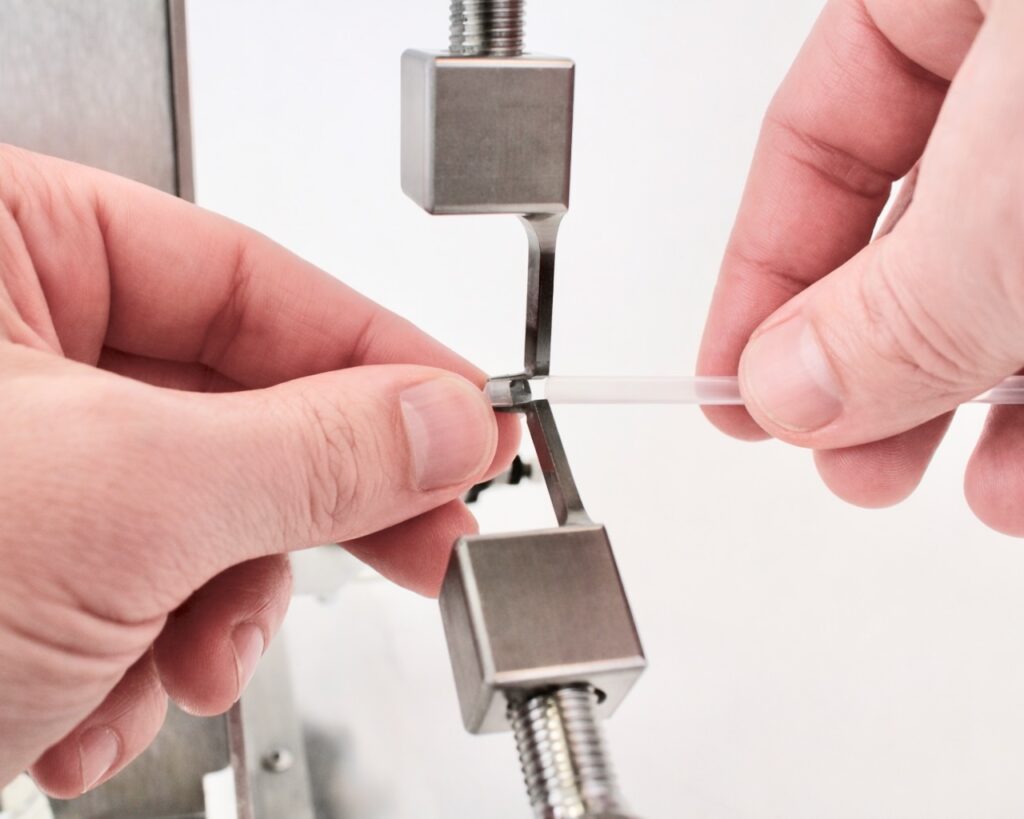
Without pre‑expansion, inserting barbed fittings into tubing often requires excessive force—especially with stiffer materials. A tubing expander tool opens the tubing end uniformly, enabling the fitting to slide on more easily, reducing operator fatigue and minimizing the chance of damage. On the Clean Room Devices website, they are described as devices that “allow barbed fittings to be installed in stiffer tubing… expanding tube prior to fitting installation helps prevent operator fatigue and mitigates injury.”

When you select a tubing expander tool designed for cleanroom use, you’re not just improving performance—you’re reducing risk of repetitive strain injury (RSI) caused by repeated hand‑force and awkward motion. In cleanroom environments, where production may be high‑volume, this is an important ergonomic improvement.

Time‑Delay and Sensor Features: What They Do

Modern tubing expander tools often include two key enhancements: time‑delay relays and sensors. These features help ensure repeatability, safety, and ergonomic benefit.

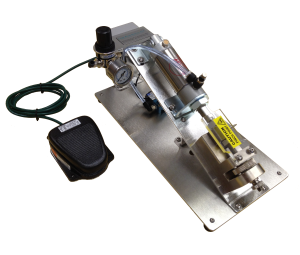
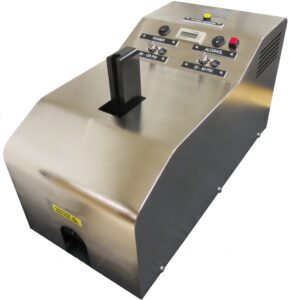
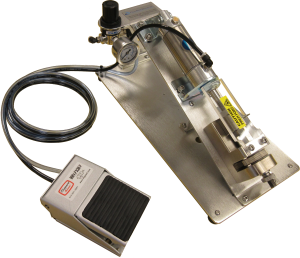
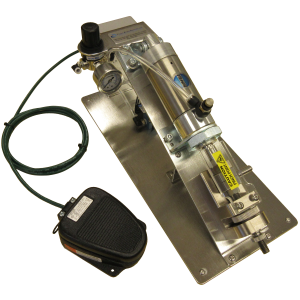
time-delay elctro-pneumatic tubing expander tool
  • Time‑delay relay: Allows you to set how long the jaws remain opened or expanded, and possibly how long between cycles. For example, the CRD201 time‑delay model from Clean Room Devices uses this control so that each expansion occurs at a consistent rate rather than relying on manual timing.
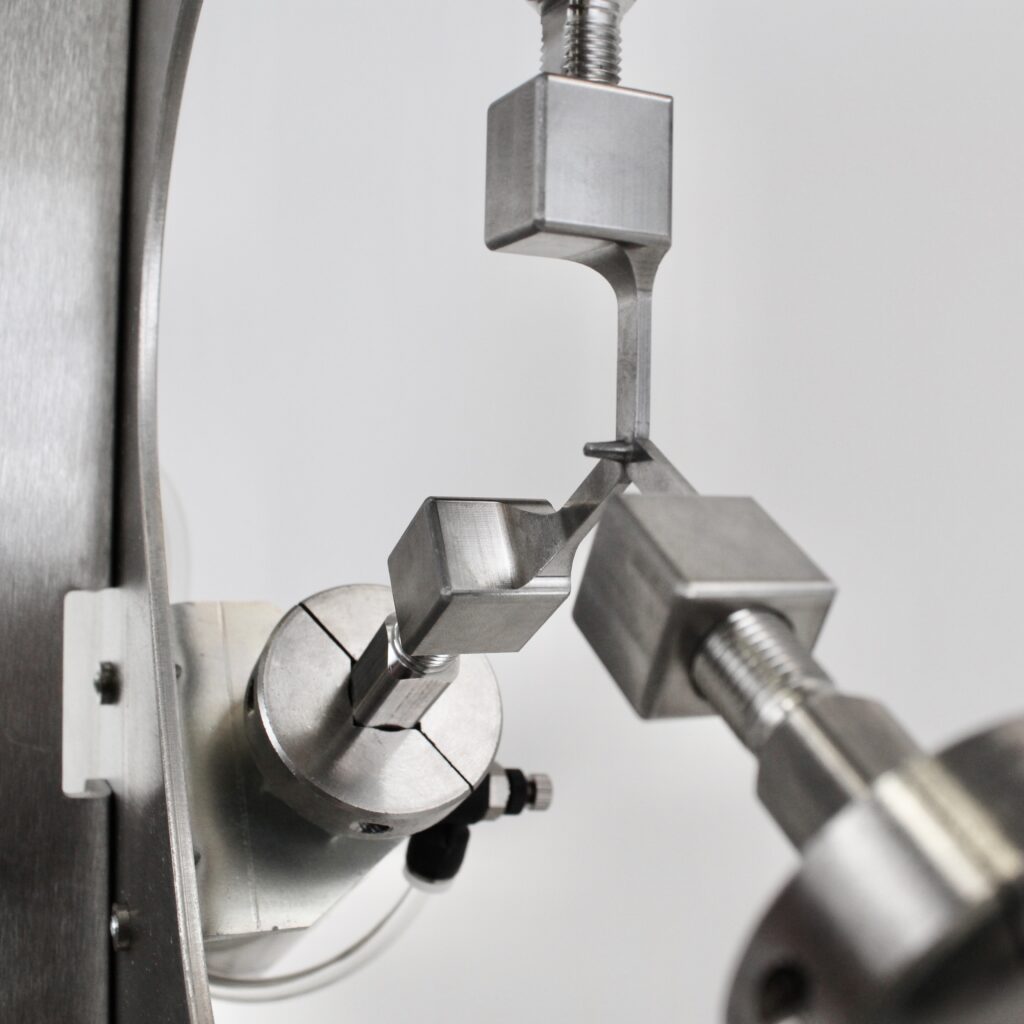
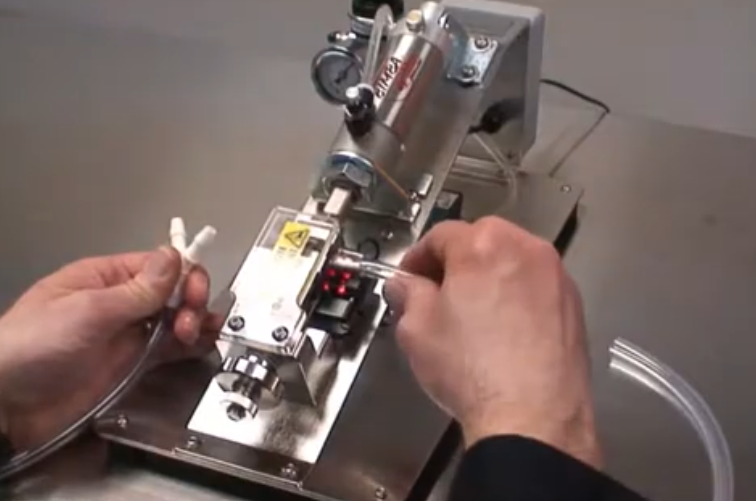
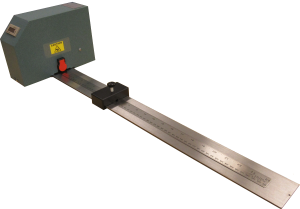
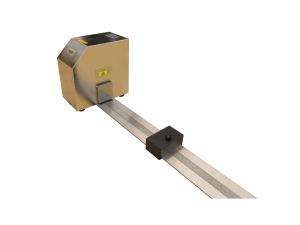
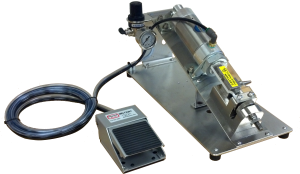
  • Sensor actuation: Some models detect the presence of tubing and automatically trigger expansion, which reduces manual triggers and ensures timely workflow. The CRD202 model highlights this: “the unit is designed to use a photo‑sensor that will automatically sense the presence of tubing over the jaws.”

These features provide three main benefits:

  1. Consistent expansion – Every piece of tubing is expanded for the same duration and force, reducing variability.
  2. Reduced operator fatigue – Hands are freed from repetitive triggers or awkward holds; foot pedals or sensors automate the motion.
  3. Cleanroom compliance – As expanders from Clean Room Devices are built with stainless steel and low‑particulate construction, they integrate cleanly into controlled manufacturing environments.

Specific Expanders to Consider

Here are a few tubing expander tools from Clean Room Devices that illustrate how the technology works and supports ergonomic assembly:

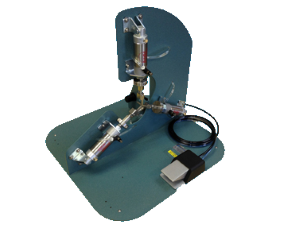
tubing expander tool sensor- cleanroom devices
  • CRD200 Expander – A basic model with stainless steel base and pedal actuation; helps reduce operator strain by simplifying the expansion step ahead of insertion.
  • CRD201 Time‑Delay Expander – Adds a time‑delay relay so each expansion cycle is consistent; ideal when multiple operators or frequent changeovers require repeatability.
  • CRD202 Time‑Delay Expander with Sensor – Employs both sensor detection and dual time‑delay settings (expansion time and interval time) for automated, hands‑free workflow in demanding environments.

Each tool is optimized for cleanroom use in medical device manufacturing, enabling ergonomic steps without sacrificing control or cleanliness.

Integrating into Your Process

To get the most from a tubing expander tool, consider these best practices:

  • Identify tubing materials (rubber vs. plastic) and diameters. Stiffer tubing often needs time‑delay control to prevent splitting.
  • Train operators on the difference: manually expanding vs. using the tool. Highlight how less manual force helps prevent repetitive strain injury.
  • Monitor cycle times and finished parts: Compare before & after tool implementation for throughput and quality.
  • Ensure cleanroom standards: Use tools rated for ISO 7/8 environments so chose models with stainless steel bases and minimal particle generation.
  • Incorporate into ergonomic assessments: A good tool reduces wrist torque, repetitive motion, and awkward postures—core aspects of ergonomics in manufacturing industries.

Elevating Your Operation with the Right Tool

In modern high‑precision manufacturing, a tubing expander tool isn’t just a convenience—it’s a strategic investment in efficiency, quality, and worker well‑being. By choosing a tool such as the CRD201 or CRD202 with time‑delay and sensor capabilities, manufacturers in medical device manufacturing can reduce the risk of repetitive strain injury, boost consistency, and sustain high throughput without sacrificing cleanroom compliance.

If you’re ready to improve your expansion process, request a consultation with Clean Room Devices to match your tubing materials, diameter, and production demands with the right expander model.

Ergonomics in Manufacturing Industries: Reducing RSI Risk in Medical Device Assembly

Ergonomics in manufacturing industries has evolved into a critical element of workplace safety and productivity—especially in cleanroom settings where precision and repeatability are essential. In medical device manufacturing, repetitive hand movements like tubing insertion and fitting assembly can lead to repetitive strain injury (RSI), which silently erodes workforce health and operational efficiency.

The Impact of Repetitive Strain Injury—and How Guidelines Address It

Repetitive strain injury (RSI) is a leading cause of musculoskeletal disorders in manufacturing industries, especially in cleanroom settings. Repeating the same motion—such as inserting fittings into tubing hundreds or thousands of times per shift—can gradually damage muscles, tendons, and nerves. Over time, this leads to:

  • Chronic pain and reduced dexterity
  • Lower output and quality
  • Increased absenteeism or turnover
  • Risk of workers’ compensation claims

In highly regulated environments like medical device manufacturing, these injuries don’t just affect workers—they can impact product consistency and lead to deviations from quality standards like ISO 13485, which governs risk-based process control.

While OSHA doesn’t mandate a specific ergonomics rule, it offers clear recommendations to minimize workplace injury. These include reducing repetitive motions, limiting force, using ergonomic tools, and training employees to recognize early RSI symptoms. Similarly, ISO 13485 encourages manufacturers to implement safeguards that protect both operator health and product integrity.

Together, these standards reinforce a common principle: ergonomics in manufacturing industries isn’t just a safety measure—it’s a strategic necessity, especially in cleanroom workflows where precision, hygiene, and consistency are non-negotiable.

ergonomics in manufacturing industries, CRD

Why Ergonomics Is Different in Cleanrooms

Not all ergonomic challenges are created equal. Cleanroom environments introduce additional demands:

  • Surfaces must be non-shedding and easy to sanitize
  • Equipment must maintain ISO 7 or ISO 8 classification
  • Tools need to minimize motion without generating contaminants
  • Workers operate in gowned, gloved conditions, increasing strain

That’s where ergonomics in manufacturing industries must be tailored specifically for cleanroom applications—and where Clean Room Devices excels.

How Clean Room Devices Designs for Ergonomics and Cleanroom Safety

Clean Room Devices (CRD) builds tools that reduce RSI while meeting cleanroom standards for sterility, low particulation, and repeatability. Their devices are engineered to reduce hand force, maintain neutral posture, and increase consistency.

CRD600 Electro-Pneumatic Fitting Inserter

This high-throughput system automates fitting insertions using smart relay control and air pressure. It eliminates manual force, reducing operator fatigue and RSI risk—ideal for medical device manufacturing lines requiring speed and consistency.

CRD100 Electro‑Pneumatic Tubing Cutter

This is a semi-automatic cutter with an electric foot pedal, built for speed and ease of use. Because operators don’t have to apply cutting force, it helps avoid wrist torque and fatigue.

CRD430 Heavy-Duty Manual Inserter

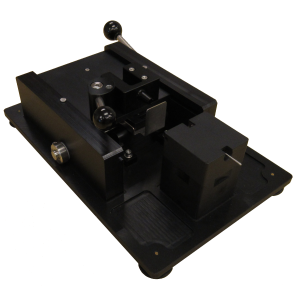
For larger or stiff rubber tubing, the CRD430 provides powerful mechanical leverage in a manual format. It reduces physical strain while maintaining cleanroom compatibility.

CRD201 Time‑Delay Tubing Expander with Foot Pedal

This expander gently stretches the tubing before insertion, giving fittings room to slide on with less force. Because the operator only activates it via a foot pedal, the hands remain relaxed and free of repetitive strain—or wrist torque. 

The Business Case for Better Ergonomics

Improving ergonomics in manufacturing industries doesn’t just benefit workers—it supports every level of business performance. CRD tools help:

  • Improve fitting consistency
  • Reduce rework and errors
  • Minimize RSI-related time off
  • Boost operator satisfaction
  • Support audit and compliance readiness

In medical device manufacturing, where every part must meet strict quality control and traceability standards, ergonomics becomes part of the quality assurance process.

5 Steps to Reduce RSI Risk in Cleanroom Assembly

Cleanroom supervisors and EHS managers can start improving conditions today with these steps:

ergonomics in manufacturing industries- CRD
  1. Identify high-strain tasks like tubing insertion or cutting
  2. Assess motion frequency and applied force
  3. Trial ergonomic alternatives (like the CRD410 or CRD400)
  4. Train staff on proper posture and tool use
  5. Collect feedback and monitor RSI incidents over time

These changes can have measurable impact—both in workforce wellness and operational output.

Cleanroom Ergonomics That Work

Ergonomics in manufacturing industries is more than a safety checkbox—it’s an essential part of maintaining cleanroom integrity, supporting regulatory compliance, and protecting the well-being of those who build life-saving devices.Clean Room Devices provides solutions that directly address RSI in cleanroom tubing assembly. By integrating ergonomic design with cleanroom compatibility, CRD helps manufacturers reduce risk, increase consistency, and safeguard their most valuable asset: their people.

What Sets Apart Cleanroom Assembly Tools: Design Features You Need to Know

When you hear the term cleanroom assembly, what comes to mind? Perhaps a controlled environment with strict hygiene, specialized airflow, and carefully selected tools. For industries like medical device manufacturing, pharmaceuticals, biotech, and research labs, cleanroom assembly isn’t just a nice‐to‐have—it’s essential. The tools used must meet demanding standards: low particle generation, surfaces that are easy to clean, and materials that resist corrosion and contamination. Let’s dig into what cleanroom assembly truly demands, how Clean Room Devices meets those demands, and what best practices are emerging in this space.

Key Requirements for Cleanroom Assembly Tools

Cleanrooms classified ISO 7–8 require strict limits on airborne particulates. For instance, an ISO 7 cleanroom must not exceed 352,000 particles per cubic meter ≥ 0.5 µm according to ISO 14644‑1, and must have proper air change rates (often 30–60 ACH) to dilute and remove contaminants. 

Given these tight tolerances, any tools used for assembly—cutters, expanders, fitting inserters—must be designed to avoid shedding particles, trap less debris, and allow easy cleaning and validation. Materials like stainless steel (316L or 304), high‑grade anodized aluminum, sealed surfaces, smooth edges, and minimal joints are often required. Also, ergonomic design matters: repetitive tasks in assembly can lead to strain and increased risk of introducing contamination through handling.

cleanroom assembly- cleanroom devices
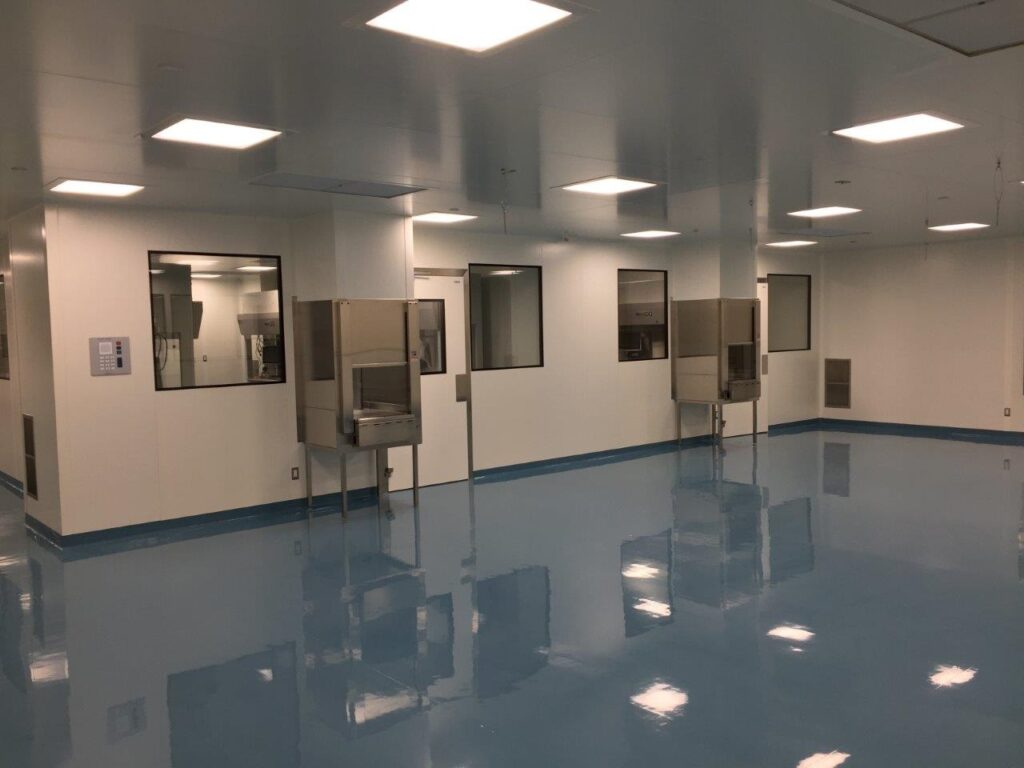
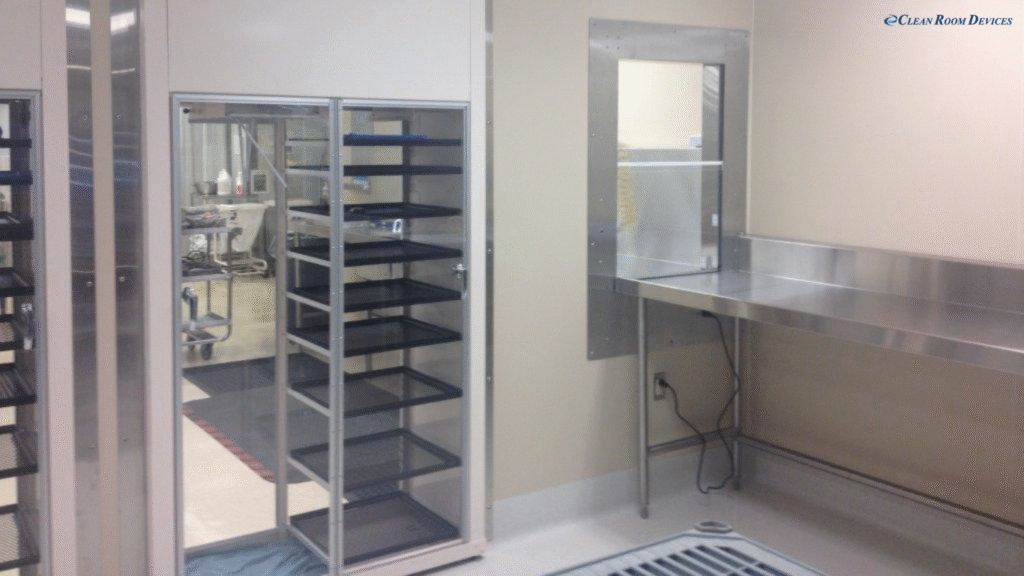
The clean room side of a CRD320 setup. Please note that the enclosures were designed, fabricated and installed by the customer.

How Clean Room Devices Addresses Cleanroom Assembly Design

Clean Room Devices (CRD) has built its product line—from tubing cutters to fitting inserters and pass‑through windows—around the needs of cleanroom assembly. Here are some of their design features that stand out:

  • Stainless steel and cleanroom‑compatible surfaces: Their tubing cutters use stainless steel blades and clean room compatible construction to avoid contamination during cutting.
  • Tight tolerances & clean cuts: CRD’s cutters include precision scales (in both inches and millimeters), adjustable slide blocks, and razor or chevron stainless steel blades that maintain clean edges with minimal particulate generation.
  • Ergonomics to reduce operator fatigue: Fitting inserters and expanders are designed to reduce repetitive strain. For example, tube expanders allow the tubing to be pre‑expanded so that inserting fittings requires less force.
  • Designs suited for complex fittings: Some CRD tools (like the CRD400/CRD400SS) accommodate multi‑barb fittings, rotating nests, and complex geometries. This reduces handling steps and helps ensure that fittings assemble correctly the first time.

To stay ahead, companies are adopting newer practices that complement good tool design:

  • Regular particle monitoring and validation: As part of ISO 14644 standards, tools and environments have to be tested both at rest and under operation. Monitoring particle counts at various micron sizes (0.5 µm, 1 µm, 5 µm) is standard.
  • Use of modular, sealed systems: Surfaces that are monolithic or with minimal seams, rounded edges, minimal joints—this helps in cleaning and reduces places where particles or microbes can accumulate. Advanced equipment designs often mirror these principles.
  • Strict material selection: Opting for stainless steel or non‑shedding materials, avoiding plastics or coatings that degrade or flake under cleaning or sterilization. CRD’s use of stainless steel blades and bases illustrates this.

Why the Right Tools Matter

If you’re setting up or refining cleanroom assembly operations, prioritizing tool design is just as important as airflow, filtration, or gowning. Tools with improperly designed surfaces, rough edges, or vulnerable materials can undo the cleanliness controls of even a well‑built ISO 7 or ISO 8 suite.Clean Room Devices provides a compelling set of options that align well with the strict requirements of cleanroom assembly: tools built for durability, minimal particulate generation, and repeatable, ergonomic use. By selecting tools designed for cleanroom assembly—paired with proper validation, monitoring, and workflow discipline—you can preserve product quality, reduce contamination risk, and support worker safety.

Insert Fittings into Plastic & Rubber Tubing with Precision — A Practical Guide

In modern manufacturing and laboratory environments, understanding how to insert fittings into rubber tubing and plastic tubing is essential for seamless assembly and reliable performance. Whether you’re handling flexible tubing in biomedical setups, cleanrooms, or industrial systems, mastering the right techniques—and using the appropriate tools—can eliminate error and boost productivity. This guide explores key steps to follow and shows how Clean Room Devices’ specialized fitting inserters streamline the process.

Why Technique Matters in Tubing Assembly

Rubber tubing offers flexibility and resilience, but that same flexibility can make fitting insertion tricky. Too much manual force may distort the tubing, cause misalignment, or lead to leaks and future failure. Conversely, too little force can result in improper seating, which compromises connection integrity.

Beyond seal reliability, ergonomics plays a role: repetitive, force-intensive fitting insertion can strain technicians—especially when handling high volumes.

Traditional Methods vs. Advanced Tools

Traditional approaches to inserting fittings into rubber or plastic tubing—like manual force or heating the tubing—can be inconsistent, inefficient, and physically demanding. These methods may work for low-volume setups but often fall short in cleanroom environments where precision, repeatability, and contamination control are critical.

Clean Room Devices offers a better solution with their line of cleanroom-compatible fitting inserters. Designed to reduce operator strain and improve connection accuracy, these tools—ranging from manual models like the CRD410 to automated systems like the CRD600—streamline the way technicians insert fittings, especially in high-volume, regulated production environments.

Step-by-Step: How to Insert Fittings into Rubber Tubing

  1. Check Tubing & Fitting Compatibility
    Confirm the outer diameter of the tubing fits the fitting geometry precisely—too tight, and insertion is hard; too loose, and sealing suffers.
  2. Optional Preconditioning
    Some operators gently warm the tubing end to aid insertion, especially with rigid plastics. But always consider safety and material limits.
  3. Insert with Control
    Using either manual force or a tool, insert the fitting until fully seated—ensuring a secure, leak-resistant connection.

Cleaner & Safer: How Clean Room Devices Enhances Fitting Insertion

We provide an effective alternative to traditional methods when it’s time to insert fittings into plastic or rubber tubing. Our Manual Fitting Inserters (CRD410, CRD430) use ergonomic lever action tailored for cleanroom-compatible assembly—no power or external air needed:

insert fittings, rubber tubing- Cleanroom Devices
  • CRD410: Accommodates tubes from 1/16″ to 1/2″ O.D., offers rotating nests for multi‑barb fittings, and reduces force and repetitive strain.
  • CRD430: Suited for larger or heavy-duty tubing (up to 1‑5/8″ O.D.), also cleanroom-compatible and ergonomic Clean Room Devices.

For higher-volume or complex geometries, the CRD400 Fitting Inserter delivers semi‑automatic precision with rotating nests that handle Y, T, and union fittings. Widely used for cleanroom medical tubing assembly, it supports complex shapes and aligns with accuracy.

Automation peaks with the CRD600, a pneumatic inserter offering smart relay control, high throughput (400–800 insertions per hour, or up to 1,800 with a bowl feeder), and minimal manual effort. It improves repetitive control and reduces hand strain—key benefits when inserting fittings repeatedly.

Our inserters uphold cleanroom standards, ensuring low particle generation and featuring smooth surfaces for easy cleaning—ideal for GMP, sterile manufacturing, and controlled environments.

Benefits for Your Process

  • Consistency: Inserters deliver precise, repeatable fitting depth and alignment.
  • Ergonomic Advantage: Leveraged or powered insertion drastically reduces force and fatigue.
  • Flow Efficiency: Higher throughput and less manual handling speed up production.
  • Cleanroom Fit: Engineered for contamination control, with smooth, tool-friendly materials and minimal particulation.

News & Industry Context

Recent advancements emphasize transitioning from solvent bonding (common with PVC) to mechanical fitting insertion, particularly for elastomeric tubing. A notable example in medical manufacturing showed that using the CRD600 for TPE Medalist® tubing achieved stronger retention strengths than solvent bonding—without chemical exposure or odors, and at high assembly speeds of over 1,800 insertions per hour.

Elevating Your Tubing Assembly Process

To insert fittings into rubber tubing effectively, combining right-fit technique and ergonomic tooling is key. Traditional methods provide a baseline, but modern production demands consistency, safety, and cleanroom compatibility. At Clean Room Devices’, our range—from manual to automatic inserters—offers scalable solutions for precise, fatigue-free assembly.

Want help selecting the optimal inserter model? I can help you outline the right fit for your tubing size, volume, and operating environment!

How Biomedical Manufacturers Can Improve Medical Tubing Assembly

Medical tubing plays a critical role in the production of biomedical devices—used in everything from IV lines to catheters and infusion systems. Yet despite its importance, the assembly of medical tubing often presents serious challenges for manufacturers. Repetitive strain injuries (RSIs), inconsistent fitting, and inefficient workflows can reduce productivity, increase error rates, and put operators at risk.

This guide explores the most common issues in medical tubing assembly and how specialized tools from Clean Room Devices help streamline production, improve safety, and ensure consistent results in both cleanroom and non-cleanroom environments.

The Hidden Risks of Manual Tubing Assembly

Manually inserting fittings into medical tubing might seem straightforward, but the repetitive motion and high levels of hand force required can lead to ergonomic strain over time. RSIs are especially common in high-volume biomedical production lines, where employees perform the same insertion tasks hundreds of times per shift.

Many types of tubing, including silicone, PVC, and TPE, require tight fits to maintain a sterile and leak-free seal—making manual assembly both difficult and physically taxing. For companies focused on regulatory compliance and workforce safety, addressing this issue is essential.

Precision and Consistency Are Non-Negotiable

With applications, a poor fit or improperly inserted component can have serious consequences—from leaks and contamination to product recalls. Precision is vital, especially in FDA-regulated biomedical environments, where tight tolerances and consistent assembly are required to meet quality standards.

Clean Room Devices designs tools specifically to improve consistency and reduce the variability that often comes with manual methods, helping manufacturers maintain quality across large production runs.

Efficiency Without Compromise

The demand for disposable and single-use medical devices continues to rise, putting pressure on biomedical companies to increase throughput. Manual medical tubing assembly can quickly become a bottleneck, especially when it slows downstream packaging and sterilization processes.

By introducing mechanical assistance for fitting and expansion, manufacturers can accelerate production without sacrificing safety, precision, or compliance.

Clean Room Devices: Engineered Solutions for Medical Tubing Assembly

Clean Room Devices offers a line of cleanroom-compatible assembly tools that solve the ergonomic and productivity challenges tied to medical tubing. Their products are trusted by major biomedical companies such as Abbott, Medtronic, GE Healthcare, and Terumo.

Tubing Expanders

CRD’s tubing expanders gently stretch the open end of medical tubing to allow fittings to be inserted more easily. Available in both pneumatic and manual models, these tools provide:

  • Controlled expansion for tight, uniform seals
  • Compatibility with common medical tubing materials
  • Reduced physical effort and improved assembly speed

Tubing expanders minimize operator fatigue while ensuring each piece of tubing fits properly on the first attempt.

Fitting Inserters

Clean Room Devices also manufactures ergonomic fitting inserters—such as the CRD410 and CRD430—that improve alignment, reduce hand strain, and provide greater control during assembly. These devices are especially valuable in cleanroom environments where precision and contamination control are top priorities.

Key benefits include:

  • Reliable insertion depth and orientation
  • Minimal particle generation
  • Reduced operator strain and improved safety

Proven Benefits for Biomedical Manufacturing

By incorporating tubing expanders and fitting inserters into medical tubing workflows, biomedical manufacturers can:

medical tubing assembly- clean room devices
  • Increase production speed and throughput
  • Reduce employee injuries and fatigue
  • Improve product quality and consistency
  • Meet cleanroom and ISO compliance standards

Clean Room Devices also offers free evaluations for new applications. Manufacturers can send in sample tubing and fittings, and CRD’s engineers will recommend the best tooling options based on real-world testing.

Empowering Biomedical Innovation Through Better Assembly Tools

Medical tubing is more than just a component—it’s a critical part of delivering safe and effective healthcare products. Ensuring proper assembly not only protects product integrity but also improves the safety and satisfaction of the people who build them.

For biomedical companies aiming to scale production and reduce risk, the right tools make all the difference. Clean Room Devices continues to lead the way in ergonomic, high-performance solutions that help manufacturers bring life-saving innovations to market with confidence.

How to Ensure Cleanroom Compliance in the Age of Digital Transformation

Cleanroom compliance in 2025 is being revolutionized by digital transformation. Gone are the days when compliance was purely about manual checks and inspections. Today, cutting-edge technologies like the Internet of Things (IoT), real-time monitoring systems, and artificial intelligence (AI) are reshaping how cleanrooms maintain compliance with strict industry standards.

For companies in the cleanroom space, staying ahead of these digital innovations is crucial for ensuring cleanliness, efficiency, and regulatory adherence. In this blog, we’ll explore how these technologies are changing the game for compliance and what your company can do to stay ahead of the curve.

The Digital Shift: A New Era of Cleanroom Compliance

Traditionally, cleanroom compliance was heavily reliant on manual processes—frequent checks, inspections, and sometimes, a lot of guesswork. However, with the rise of digital technologies, cleanroom operators now have access to real-time, automated systems that provide a much more accurate and proactive approach to monitoring and maintaining compliance.

Let’s break down how some of these technologies are making a difference:

Real-Time Monitoring: Catch Issues Before They Happen

One of the most exciting advancements in cleanroom compliance is real-time monitoring systems. These systems continuously track critical parameters—think temperature, humidity, air quality, and particulate levels—providing immediate feedback to operators.

This means that any deviations from cleanliness standards can be flagged immediately, allowing for swift corrective action. The best part? Many of these systems are cloud-based, so you can access data and monitor conditions from anywhere at any time. No more waiting for manual reports to flag issues!

AI: Predicting Compliance Issues Before They Arise

Artificial intelligence (AI) is another game-changer in cleanroom compliance. Thanks to AI’s predictive capabilities, cleanroom operators can now foresee potential compliance issues before they happen.

By analyzing historical data and trends, AI can predict when a cleanroom may be at risk of non-compliance—whether it’s from an equipment malfunction or an environmental condition that’s out of spec. This means that operators can take preventive action rather than waiting for a problem to occur, keeping it in perfect condition without the need for constant manual intervention.

AI also excels in enhancing particle detection, allowing even the smallest contaminants to be detected and dealt with promptly. This level of precision is especially important in industries like pharmaceuticals, where contamination can have serious consequences.

How Clean Room Devices Is Helping Drive Compliance

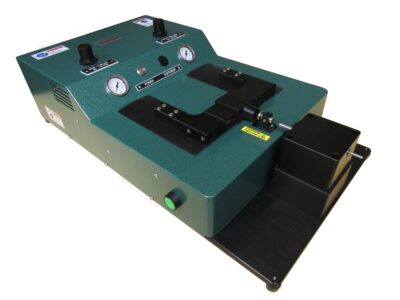
At Clean Room Devices, we’re embracing these digital tools to offer cutting-edge solutions that help operators maintain top-tier compliance. Products like the CRD223 Extra-Heavy Duty Time Delay Tubing Expander and the CRD400 Fitting Inserter are designed with both precision and efficiency in mind, ensuring that cleanroom operations are always on track.

cleanroom compliance- clean room devices

By combining these advanced tools with IoT and AI-powered monitoring systems, we help cleanroom operators stay compliant while boosting efficiency and minimizing downtime. We’re excited to see how these innovations are shaping the future of the cleanroom industry.

What You Can Do to Stay Ahead

So, how can you ensure your cleanroom stays compliant in the age of digital transformation? Here are some tips to keep your operations in top shape:

  1. Invest in IoT-Enabled Monitoring Systems
    Make the switch to IoT-connected sensors and systems that provide real-time data. This will help you track critical conditions and respond quickly to any potential issues.
  2. Leverage AI for Predictive Analytics
    Implement AI-powered tools to forecast potential compliance issues and take preventive actions before problems arise.
  3. Combine Digital Tools with Operational Equipment
    Pair your monitoring systems with high-precision tools like those offered by Clean Room Devices to streamline your operations and ensure compliance.
  4. Stay Updated on Regulatory Changes
    The cleanroom industry is constantly evolving. Regularly update your systems and practices to ensure you’re in line with the latest industry standards and regulations.

Embrace the Future of Cleanroom Compliance with Clean Room Devices

At Clean Room Devices, we are dedicated to delivering innovative solutions that ensure your cleanroom compliance today and in the future. As the cleanroom industry continues to advance, it’s crucial to stay ahead of the curve. With the right systems and technologies in place, your cleanroom will not only meet current standards but will thrive in the evolving digital landscape. Let Clean Room Devices help you navigate this transformation and optimize your cleanroom operations for success. For more information on the products that support cleanroom compliance, visit our product line.

Electric Tube Cutters: Types & Uses for 2024

As industries continue to evolve, particularly in fields like medical device manufacturing, biomedicine, and pharmaceuticals, precision equipment such as electric tube cutters plays a critical role. Clean Room Devices is a top name in the industry.

We offer a variety of electric tube cutters that are precise and clean. These cutters are perfect for industries where controlling contamination is very important. These cutters are indispensable in environments such as cleanrooms, laboratories, and medical device manufacturing facilities.

In 2024, the demand for medical tube cutters and medical tubing cutters has seen a significant rise, reflecting the industry’s shift towards automation and precision in cutting medical tubing, where accuracy and cleanliness are crucial for maintaining the integrity of medical devices and other sensitive equipment.

The Importance of Electric Tube Cutters

Electric tube cutters excel in providing accurate, clean cuts, ensuring that each piece of tubing meets exact specifications. In medical and pharmaceutical applications, the cleanliness and precision of cuts directly affect product quality and safety.

For example, medical tubing in catheters or drug delivery systems must be clean and smooth. Any debris or rough edges could harm how the device works. Clean Room Devices designs its cutters to not only meet but exceed industry standards, making them an essential tool in ensuring compliance with both operational and regulatory requirements.

Key Features of Top Electric Tube Cutters

When choosing electric or medical tubing cutters, several features make these tools invaluable for high-stakes industries:

  • Precision and Speed: Clean Room Devices’ cutters are designed to deliver quick, accurate cuts, ensuring that industry standards for cleanroom manufacturing are met.
  • Clean Room Compatibility: Constructed from materials that prevent contamination, these cutters are tailored for cleanroom settings where maintaining a sterile environment is essential.
  • Versatility: These cutters can handle various materials, from soft medical-grade plastics to industrial-grade tubing, accommodating the diverse needs of medical, pharmaceutical, and semiconductor manufacturing.

Exploring Clean Room Devices’ Electric Tube Cutters

CRD100 Medical Tubing Cutter

electric tube cutters

The CRD100 Medical Tubing Cutter is perfect for cutting tubing sizes ranging from 1/16″ to 1/2″ OD. Designed specifically for cleanroom environments, this device ensures contaminant-free operations. It is especially useful in the medical tubing cutter market, where precise cuts are crucial for the production of medical devices such as catheters, IV lines, and surgical tubing.

Large Electro-Pneumatic Cutters (CRD180 Series)

crd180 electric tubing cutter medical tubing cutters

For larger tubing, the CRD180 Series can handle diameters from 1/2″ to 1-1/2″ OD. These cutters are designed for high-volume environments and are suitable for industries like pharmaceuticals and heavy machinery manufacturing, where larger diameter tubes are common. Their ability to make clean, precise cuts ensures that medical tube cutters are compliant with strict regulations, especially when dealing with critical applications like oxygen delivery systems and other life-saving equipment.

CRD190 60° V-Notch Medical Tube Cutter

This specialized cutter is ideal for medical tubing where a V-notch is required. The CRD190 is highly regarded in the medical device industry, where notched tubing is often necessary for the assembly of intricate devices, such as those used in minimally invasive surgeries or diagnostic tools.

CRD170 Multi-Angle Tubing Cutter

The CRD170 Multi-Angle Tubing Cutter offers the flexibility to cut tubing at various angles, ranging from 15° to 90°. This makes it ideal for applications in medical device design, aerospace, and electronics where precision angle cuts are essential for the final product.

Industry Applications of Electric Tube and Medical Tubing Cutters

Medical Device Manufacturing: Medical tubing is an essential component in devices like catheters, IV lines, and drug delivery systems. Clean and precise cuts are critical to ensure device functionality and patient safety. Medical tubing cutters help maintain the integrity of these products by ensuring that tubing is cut to exact specifications without contamination or rough edges.

Pharmaceutical Production: Electric tube cutters are crucial in ensuring accurate cutting of tubes used in drug delivery systems, where even the smallest deviation can impact dosage accuracy or lead to contamination risks. The precision offered by Clean Room Devices’ cutters helps ensure that drug delivery systems function flawlessly.

Semiconductor Manufacturing: In the production of semiconductors, precise and clean cuts are essential to protect the integrity of circuits and chips. Tubing used in cleanroom environments for semiconductor manufacturing must meet strict standards for cleanliness and accuracy, which makes electric tube cutters a valuable asset.

Laboratory Research: Researchers rely on clean, precise cuts in tubing for preparing specimens, setting up experiments, and performing tests. Electric and medical tubing cutters are indispensable tools in laboratories worldwide, enabling researchers to work efficiently without contamination risks.

Advancements in Electric and Medical Tube Cutting for 2024

As we move through 2024, advancements in electric tube cutters and medical tubing cutters are centered on automation, precision, and user-friendly interfaces. Anticipated innovations include:

  • Automated Feeding Systems: Increased automation is expected to improve efficiency, allowing for quicker and more precise cuts with minimal manual intervention. These systems will benefit high-volume manufacturers of medical devices, where speed and accuracy are critical.
  • Advanced Digital Controls: These controls will enhance precision and provide users with real-time feedback on cutting operations, helping to prevent errors and prolong machine lifespan. Such advancements will be particularly beneficial in medical applications where even a slight variance in tubing length can affect device performance.
  • Sustainability Initiatives: With a growing focus on sustainability, manufacturers are looking to reduce energy consumption and waste in tube cutting processes. Newer models are expected to be more energy-efficient and made from recyclable materials, reflecting the industry’s push towards greener manufacturing.

Conclusion

In the high-stakes world of medical device manufacturing, pharmaceuticals, and other precision-driven industries, the importance of electric and medical tubing cutters cannot be overstated. As we move through 2024, Clean Room Devices stays at the forefront. We provide advanced solutions that meet the tough needs of modern manufacturing.

Whether it’s precise cuts for medical tubing or cleanroom-compatible devices, these electric tube cutters continue to set the standard for innovation, precision, and contamination control. As automation and sustainability become more critical, Clean Room Devices is poised to deliver even greater efficiency and precision for industries that rely on flawless tubing cuts.

Advanced Fitting Inserters: Enhancing Cleanroom Efficiency

In the realm of cleanroom operations, precision and efficiency are paramount. One of the critical components ensuring smooth operations in these controlled environments is the fitting inserter. At Clean Room Devices, we specialize in providing advanced fitting inserters designed to meet the rigorous demands of various industries, including medical device manufacturing, automotive, and more. This blog will delve into the importance of fitting inserters, the types we offer, and how they can enhance cleanroom efficiency.

Understanding Fitting Inserters

Fitting inserters are essential tools in cleanrooms, particularly where precision is crucial. These devices facilitate the quick and accurate installation of flexible tubing, which is a common requirement in many manufacturing processes. Automating this process significantly reduces manual labor, improves accuracy, and enhances overall productivity.

Types of Fitting Inserters at Clean Room Devices

At Clean Room Devices, we offer a range of fitting inserters tailored to different needs and applications. Our product line includes both semi-automatic and manual, each designed to address specific operational requirements.

Semi-Automatic Fitting Inserters

Semi-automatic fitting inserters strike a balance between automation and manual operation. These devices are ideal for high-volume production lines where speed and precision are critical.

Features and Benefits:

fitting inserters
  • Efficiency: Semi-automatic significantly reduces the time required for installations. Operators can quickly position tubing and the machine takes over the insertion process.
  • Precision: These inserters ensure consistent and accurate installations, reducing the risk of errors that can occur with manual processes.
  • Ergonomics: Designed with operator comfort in mind, semi-automatic minimizes repetitive strain injuries, which are common in manual operations.
  • Versatility: Our semi-automatic, like the CRD400, can accommodate a variety of tubing sizes and geometries, making them suitable for diverse applications.

Manual Fitting Inserters

fitting inserters

Manual fitting inserters are perfect for applications where flexibility and control are paramount. These devices offer hands-on operation, allowing operators to manage each step of the insertion process.

Features and Benefits:

  • Control: Manual ones provide operators with complete control over the process, making them ideal for intricate or custom applications where precision handling is required.
  • Flexibility: These inserters can be easily adapted to different types of tubing, offering versatility for various tasks.
  • Cost-Effective: Manual inserters are often more affordable than their semi-automatic counterparts, making them a cost-effective solution for smaller operations or specialized tasks.

Highlighting Our Product Range

CRD400 Semi-Automatic Fitting Inserter

fitting inserters

The CRD400 is one of our flagship semi-automatic, designed for high-volume production lines. This inserter is equipped with features that enhance its performance and reliability.

Key Features:

  • Rotating Nest: The CRD400 includes a rotating nest for multi-barb fittings, allowing for precise and secure fitting installations.
  • CE Certified: This model meets stringent CE certification standards, ensuring safety and reliability in cleanroom environments.
  • Adjustable: It accommodates tubing from 3/32″ to 1-3/8″ outer diameter (O.D.), making it versatile for various applications.

CRD410 Manual Fitting Inserter

fitting inserters

For those seeking the control and flexibility of manual operation, the CRD410 is an excellent choice. This inserter is designed to handle a wide range of fitting tasks with precision.

Key Features:

  • Versatile Jaws: The CRD410 can be equipped with different jaw types to suit various tubing and fitting combinations.
  • User-Friendly: Designed with ergonomics in mind, this manual inserter is easy to operate, reducing the risk of operator fatigue.

Applications of Fitting Inserters

Fitting inserters from Clean Room Devices are used in a variety of industries, each with unique requirements and challenges. Here are some examples of their applications:

  • Medical Device Manufacturing: Precision is crucial in medical device manufacturing. Ours ensure accurate and reliable installation in flexible medical tubing, meeting stringent quality standards.
  • Automotive Industry: In the automotive sector, fitting inserters are used to assemble components that require precise connections, such as in fuel lines and air conditioning systems.
  • Water Purification Systems: Manufacturers of water purification equipment rely on fitting inserters to ensure secure and leak-proof connections in their systems.

Enhancing Cleanroom Efficiency

Using advanced fitting inserters in cleanroom environments offers numerous benefits that contribute to overall efficiency and productivity. Here’s how:

  • Improved Accuracy: Automated and semi-automated fitting inserters reduce the risk of human error, ensuring that they are installed correctly and securely every time.
  • Increased Speed: These devices significantly speed up the installation process, allowing for higher throughput and meeting demanding production schedules.
  • Reduced Labor Costs: By automating repetitive tasks, fitting inserters reduce the need for manual labor, lowering operational costs and freeing up staff for more complex tasks.
  • Enhanced Safety: Ergonomically designed inserters minimize the risk of repetitive strain injuries, creating a safer working environment for operators.

Conclusion

Fitting inserters are indispensable tools in cleanroom environments, providing the precision, efficiency, and reliability required in various industries. At Clean Room Devices, we offer a comprehensive range, including both semi-automatic and manual models, to meet the diverse needs of our clients. By investing in advanced fitting inserters, businesses can enhance their cleanroom operations, improve productivity, and maintain the highest standards of quality.

Explore our range of fitting inserters and discover how Clean Room Devices can help you achieve optimal efficiency in your cleanroom operations. Contact us today to learn more about our products and services.

The Ultimate Guide to Tubing Expanders


In the medical and pharmaceutical industries, precision and efficiency are paramount. One crucial component that supports these industries is the tubing expander. At Cleanroom Devices, we offer a wide range of medical expanders designed to meet the highest standards of quality and reliability. In this comprehensive guide, we’ll explore the various tubing expanders available at Cleanroom Devices, highlighting their features, benefits, and applications.

Understanding Tubing Expanders

A tubing expander is a tube device used to enlarge the diameter of the tube, ensuring a secure and leak-proof fit when connecting tubes to fittings or other tubes. This process is essential in medical applications where precise connections are critical to maintaining sterile environments and preventing contamination.

The tubing expander works by inserting it into the tube and then expanding to stretch it to the desired diameter. This ensures a tight fit, which is crucial in medical and pharmaceutical settings where even a slight leak can lead to contamination and serious health risks.

Pneumatic Expanders

CRD200SS Tubing Expander with Stainless Steel Base

pneumatic tubing expander

The CRD200SS Tubing Expander is a pneumatic expander featuring a robust stainless steel base. This model is designed for durability and reliability, making it ideal for cleanroom environments where consistent performance is crucial.

The stainless steel base ensures longevity and resists corrosion, maintaining hygiene and sterility. The pneumatic operation allows for precise control, essential for medical and pharmaceutical connections. The CRD200SS is easy to use and maintain, with a straightforward design that ensures minimal downtime and maximum productivity.

The stainless steel base is particularly beneficial in cleanroom environments, as it is resistant to the harsh chemicals and cleaning agents used to maintain sterility. This resistance ensures that the expander remains in top condition even after repeated cleaning cycles, providing reliable performance over time. The ease of use and maintenance also means that the CRD200SS can be quickly integrated into existing workflows, reducing the time needed for staff training and ensuring that production can continue without interruption.

CRD220SS Heavy-Duty Tubing Expander

pneumatic tubing expander

For more demanding applications, the CRD220SS Heavy-Duty Tubing Expander offers superior performance. This model is designed to handle larger and more rigorous usage, making it perfect for high-volume production environments. The heavy-duty construction ensures long-lasting performance, even under the most demanding conditions. The stainless steel base provides durability and resistance to corrosion, while the pneumatic operation allows for precise control and consistent results.

The CRD220SS is ideal for high-volume medical tubing production and industrial applications where robust equipment is essential. Its heavy-duty design means it can withstand the rigors of continuous use, making it a reliable choice for large-scale operations. The precise control offered by the pneumatic operation ensures that every expansion is uniform and consistent, reducing the risk of leaks and ensuring the integrity of the connections.

Time-Delay Electro-Pneumatic Expanders

CRD201 Time Delay Tubing Expander with Foot Pedal

time-delay elctro-pneumatic tubing expanders

The CRD201 Time Delay Tubing Expander introduces an advanced time-delay feature, allowing for controlled expansion. With a foot pedal for hands-free operation, this expander enhances productivity and precision in cleanroom environments. The time-delay function ensures that it is expanded at the optimal rate, reducing the risk of damage and ensuring a secure fit.

The foot pedal operation allows for hands-free use, which is particularly beneficial in cleanroom environments where maintaining sterility is crucial. By eliminating the need for manual operation, the foot pedal reduces the risk of contamination and ensures that the user’s hands remain free for other tasks. The durable construction of the CRD201 ensures reliability, making it an ideal choice for medical device manufacturing and pharmaceutical tubing assembly.

The time-delay feature is especially useful in applications where precise control is essential. By allowing the user to set the expansion rate, the CRD201 ensures that it is expanded evenly and without stress, reducing the risk of damage and ensuring a tight, leak-proof fit. This precision makes the CRD201 an excellent choice for applications where the highest standards of quality are required.

CRD221 Heavy-Duty Time Delay Tubing Expander with Foot Pedal

time-delay elctro-pneumatic tubing expanders

For applications requiring both heavy-duty performance and precise control, the CRD221 Heavy-Duty Time Delay Tubing Expander is the perfect solution. This model combines the robustness of heavy-duty expanders with the precision of time-delay controls. Its foot pedal operation allows for hands-free use, making it suitable for high-volume medical and pharmaceutical production and industrial applications.

The CRD221 is designed to handle the most demanding applications, with a heavy-duty construction that ensures long-lasting performance. The time-delay feature allows for precise control, ensuring that it is expanded evenly and without damage. The foot pedal operation enhances productivity by allowing for hands-free use, reducing the risk of contamination and ensuring that the user’s hands remain free for other tasks.

The heavy-duty design of the CRD221 makes it ideal for large-scale operations where robust equipment is essential. Its precise control and reliable performance make it a valuable addition to any production environment, ensuring that the connections are secure and leak-proof.

3-Jaw and 4-Jaw Expanders

CRD500 3 Jaw Tubing Expander

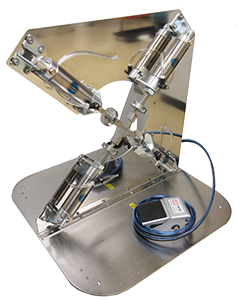
3-jaw tubing expanders

The CRD500 3 Jaw Tubing Expander offers reliable and precise expansion using a three-jaw mechanism. This model is ideal for applications where uniform expansion is critical. The three-jaw mechanism ensures that it is expanded evenly, providing a tight, secure fit that is essential in medical and pharmaceutical applications.

The robust construction of the CRD500 ensures reliability and ease of operation, making it suitable for medical device manufacturing and pharmaceutical tubing connections. Its straightforward design makes it easy to use and maintain, reducing downtime and ensuring that production can continue without interruption.

The three-jaw mechanism of the CRD500 provides a uniform expansion, which is crucial in applications where precision is essential. By expanding the tubing evenly, the CRD500 ensures that the connections are secure and leak-proof, reducing the risk of contamination and ensuring the integrity of the connections.

CRD520 4 Jaw Tubing Expander

4-jaw tubing expanders

For applications requiring even greater precision, the CRD520 4 Jaw Tubing Expander provides four-point expansion, ensuring the most uniform and secure tubing connections. The four-jaw mechanism ensures that it is expanded evenly from all sides, providing a tight, secure fit that is essential in high-precision applications.

The durable construction of the CRD520 is designed for cleanroom use, offering easy operation and maintenance. Its robust design ensures reliability and long-lasting performance, making it suitable for high-precision medical and pharmaceutical applications and industrial tubing assembly.

The four-jaw mechanism of the CRD520 provides a uniform expansion that is crucial in applications where the highest standards of quality are required. By expanding the tubing evenly from all sides, the CRD520 ensures that the connections are secure and leak-proof, reducing the risk of contamination and ensuring the integrity of the connections.

Heated Electro-Pneumatic Expanders

CRD216SS Time Delay Heated Tubing Expander

heated tubing expanders

The CRD216SS Time Delay Heated Tubing Expander combines the benefits of time-delay control with the added advantage of heating. This feature ensures that tubing is more pliable during expansion, reducing the risk of damage and improving the quality of the connection. The heated expansion process makes it more flexible, allowing for a tighter, more secure fit.

The stainless steel construction of the CRD216SS ensures durability, making it suitable for medical tubing requiring heated expansion and pharmaceutical applications demanding precise and reliable connections. The time-delay control allows for precise expansion, ensuring that it is expanded evenly and without damage.

The heated expansion feature of the CRD216SS is particularly beneficial in applications where the highest standards of quality are required. By making the tubing more pliable, the heated expansion process reduces the risk of damage and ensures a tight, secure fit. This precision makes the CRD216SS an excellent choice for applications where the highest standards of quality are required.

Why Choose Cleanroom Devices for Tubing Expanders?

At Cleanroom Devices, we understand the critical role that tubing expanders play in medical and pharmaceutical industries. Our products are designed to meet the highest standards of quality and performance. Our expanders are built with high-quality materials, ensuring long-lasting performance even in demanding environments.

The time-delay and multi-jaw expanders provide precise control, ensuring uniform and reliable expansions. Designed with user-friendliness in mind, our expanders are easy to operate and maintain, minimizing downtime and enhancing productivity. With a wide range of models, we offer tubing expanders suitable for various applications, from small-scale medical device manufacturing to large-scale pharmaceutical production.

Our commitment to quality and customer satisfaction ensures that our expanders meet the highest standards of performance and reliability. We understand the unique challenges of the medical and pharmaceutical industries, and our products are designed to meet these challenges head-on. Whether you need a pneumatic expander for cleanroom use, a time-delay electro-pneumatic expander for precise control, a 3-jaw or 4-jaw expander for uniform expansion, or a heated electro-pneumatic expander for enhanced pliability, we have the perfect solution to meet your needs.

Conclusion

Investing in a high-quality tubing expander from Cleanroom Devices is a smart choice for any medical or pharmaceutical operation. Whether you need a pneumatic expander, a time-delay electro-pneumatic expander, a 3-jaw or 4-jaw expander, or a heated electro-pneumatic expander, we have the perfect solution to meet your needs. Explore our product range and experience the difference that precision and quality can make in your cleanroom operations.

Pass Through Windows 101: Applications and Uses

Pass through windows, also known as pass through chambers, are integral components in maintaining sterility, controlling environmental conditions, and enhancing operational efficiency in various controlled environments. These specialized installations are designed to facilitate the seamless transfer of materials between rooms without compromising sanitary conditions, temperature, or air quality.

This comprehensive guide explores the diverse types of pass through windows offered by Clean Room Devices, detailing their specific designs, features, and the wide range of industries they serve, including medical, pharmaceutical, commercial kitchens, and more.

Understanding Pass Through Windows

Pass through windows are openings in walls or barriers specifically designed to separate two different environments, typically where at least one is a controlled cleanroom or sterile area. Their primary purpose is to allow for the efficient transfer of materials, tools, or samples between these spaces without requiring personnel to enter, thus minimizing the introduction of contaminants.

Constructed with precision, these windows ensure an airtight seal when closed and often feature interlocking mechanisms that prevent both sides from being open simultaneously, further protecting against contamination. This design not only simplifies the transfer process but is crucial in maintaining the integrity of clean and sterile environments.

Manually-Opened Pass-Through Windows

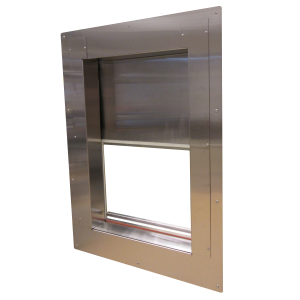
manually opened pass through window

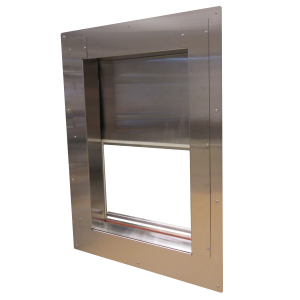
Manually-opened pass through windows exemplify simplicity and effectiveness. Standard models measure 16 inches high by 24 inches wide, with an overall size of 48.75 inches high by 36 inches wide. They require a wall opening of 44.25 inches high by 31.5 inches wide, suitable for models CRD340/342 and CRD341/343.

Ideal for environments where manual control is preferred, these windows offer a durable and reliable mechanism for preventing cross-contamination, making them especially valuable in small-scale pharmaceutical labs, medical offices, and research facilities where the introduction of mechanical or electronic components may pose a contamination risk.

Material Conveyor Pass-Through Window Systems

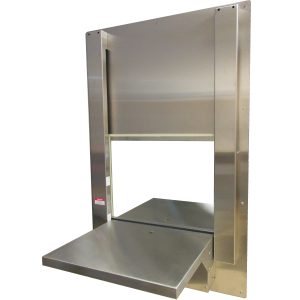
material conveyor pass through window

For facilities that handle large or heavy items, material conveyor pass through window systems provide robust solutions to maintain cleanliness while transferring goods. These systems are equipped with built-in conveyors that facilitate the movement of items across controlled environments without direct physical handling by personnel.

Advanced features include sensors that automatically open the window when an object approaches, enhancing operational efficiency. These systems, compatible with models CRD320-326 and CRD330/336, can be installed with a conveyor on one or both sides, flush to the wall, providing seamless operation and compatibility with various industrial applications.

Electric Pass-Through Window with Shelves

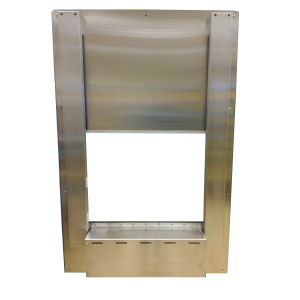
electric pass through window with shelves

Electric pass through windows with shelves optimize the transfer process through automated control. When a product is placed on the shelf, sensors trigger the windows to open and close automatically. These windows are available in models CRD310/311 and CRD315/316, with options for including an observation window. This automated mechanism reduces manual handling, thereby minimizing contamination risks and enhancing safety and operational speed in high-traffic environments such as hospitals and pharmaceutical plants.

Flush Mounted Pass-Through Windows

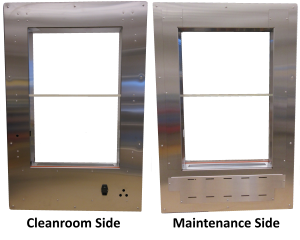
flush mounted pass through window

Designed for a seamless fit into the wall or clean room panel systems, flush mounted pass through windows provide a smooth, continuous surface that minimizes dust accumulation and microbial growth. Ideal for transferring materials between the clean room and packaging areas, these windows facilitate easy access and handling of materials and allow for the use of a counter on one or both sides.

Models CRD325 and CRD335 are specifically designed to maintain a flush surface, which is crucial for maintaining cleanliness in sensitive environments like biotechnology, pharmaceutical manufacturing, and microelectronics.

Diverse Industry Applications

Medical and Healthcare

In healthcare settings, pass through windows are essential for maintaining sterile pathways for surgical instruments, pharmaceuticals, and specimens. They significantly reduce traffic in sensitive areas, thus decreasing the likelihood of nosocomial infections and enhancing patient safety.

Pharmaceutical Manufacturing

These windows are critical in pharmaceutical manufacturing, protecting products from airborne contaminants during sensitive processes like compounding and packaging. They help maintain required ISO classifications for clean rooms, ensuring that products meet stringent regulatory standards.

Food Service

In the food service industry, pass through windows play a crucial role in efficiently managing the flow of ingredients and prepared dishes, especially in commercial kitchens and food processing plants. They improve service speed, maintain food safety, and reduce cross-contamination between raw and cooked foods.

Correctional Facilities

In correctional facilities, pass through windows ensure secure material transfer between different areas, helping control contraband and maintain hygiene in the distribution of food and medication.

Conclusion

Pass through windows are indispensable across sectors where cleanliness, efficiency, and contamination control are critical. With a variety of configurations such as manually-operated, conveyor-integrated, electrically-controlled with shelves, and flush-mounted designs, these windows are tailored to meet the specific needs of different industries.

By implementing the appropriate type of pass through window, facilities can optimize their operations and uphold the highest standards of cleanliness and safety.

As this versatile technology continues to evolve, it offers increasingly sophisticated solutions to meet the growing demands of modern industry practices, ensuring both operational excellence and compliance with health and safety regulations.